Short answer: a shirt price is built from fabric, CM (cutting and sewing), trims, washing, packing, testing, transport and the supplier’s overhead. Fabric is usually the largest line. Ask for every line separately, because that is where you can save without cutting quality.
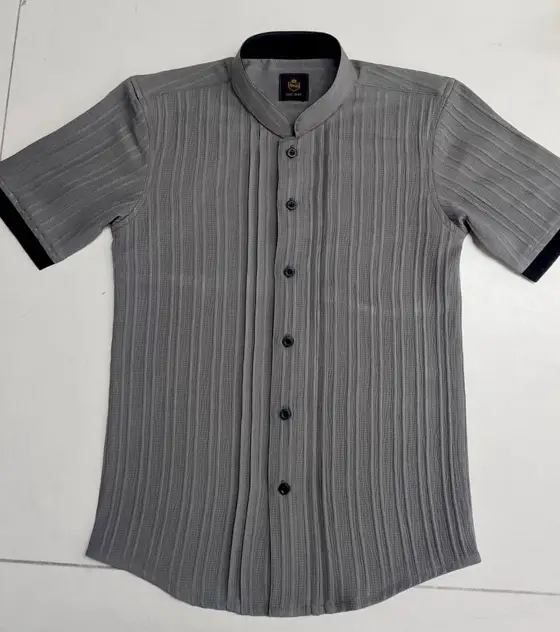
“How much to make a shirt?” is the first question most buyers ask, and the honest answer is “it depends on six or seven things”. Instead of a single number, this guide shows how a garment costing is put together in Bangladesh, using a men’s woven shirt as the example. The same logic works for tees, hoodies and jackets.
The lines on a garment costing sheet
| Cost line | What it covers | What changes it |
|---|---|---|
| Fabric | Fabric per dozen, based on consumption plus wastage | Fibre, yarn count, weave, finish, width, stock or dyed to order |
| CM (cut and make) | Cutting, sewing, ironing and factory overhead | Style detail, number of operations, order quantity |
| Trims and accessories | Buttons, thread, interlining, labels, hangtags, collar stays | Branded or custom trims, supplier minimums |
| Washing and finishing | Enzyme, softener, garment dye, non-iron | Type of wash, number of shades |
| Packing | Polybag, hanger or fold pack, carton, shipping marks | Retail-ready packing, carton spec |
| Testing and inspection | Lab tests and third-party inspection | Buyer requirements |
| Transport and documents | Delivery to port, export paperwork | Sea or air, FOB point |
| Overhead and margin | Merchandising, finance cost and profit | Order size, payment terms |
1. Fabric: the biggest line
For cotton basics, fabric is usually more than half of the FOB price. It is worked out from:
- Consumption: how much fabric one shirt (or one dozen) needs, taken from the marker. Size range and pattern matching for checks or stripes push it up.
- Price: per yard for wovens, per kg for knits.
- Wastage: a few percent for cutting loss, shade bands and testing.
Switching from a dyed-to-order fabric to a good stock fabric is often the single biggest saving available, and it lowers the MOQ too.
2. CM: making the shirt
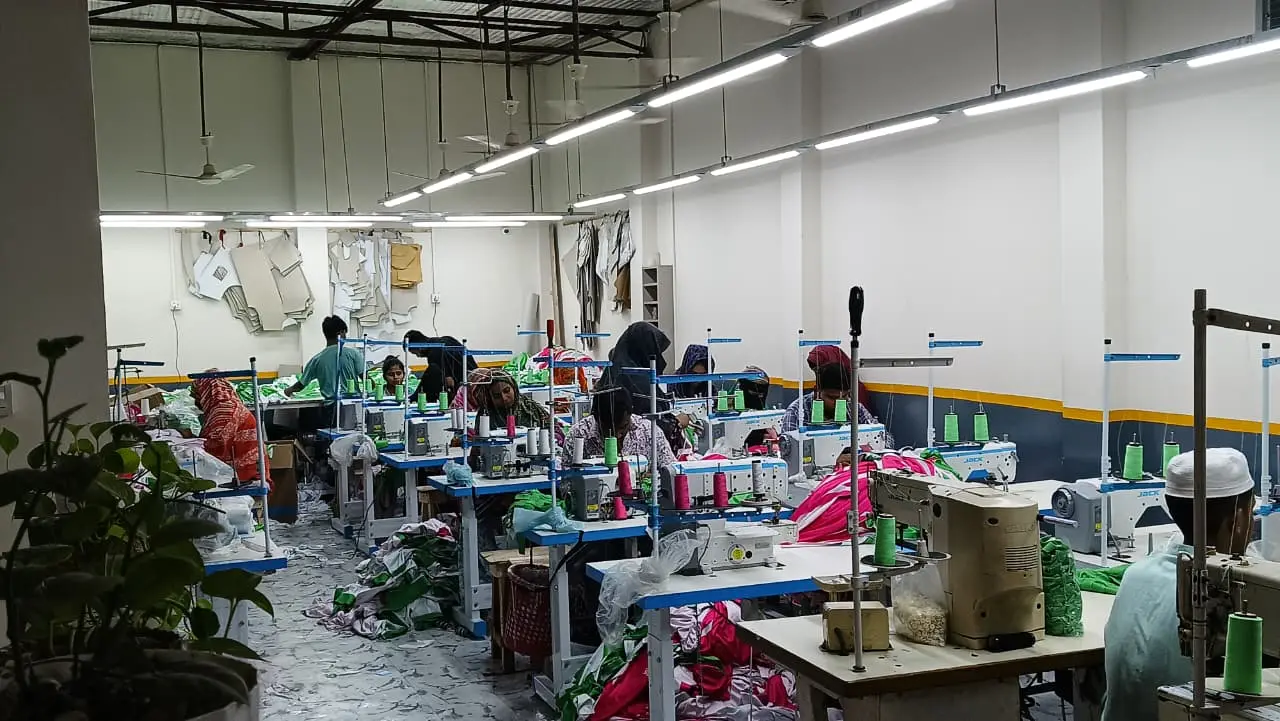
CM is based on how long the shirt takes to sew (its standard minute value) and the factory’s cost per minute. A plain shirt with a classic collar is quicker than one with a double placket, pleats, contrast panels and flap pockets. Every extra operation adds minutes, and minutes add cost.
3. Trims and accessories
Buttons, thread, fusing, main label, size label, care label, hangtag, collar stays and the poly. Individually small, together they add up. Custom branded buttons and woven labels have their own minimums, which matters on small orders.
4. Washing and finishing
A softener wash is cheap. Enzyme washes, garment dyeing and non-iron finishes cost more and add a little time. Each wash shade counts like a separate colour for MOQ.
5. Packing, testing and transport
Retail-ready packing (folded with tissue and clips, or on a hanger) costs more than a plain fold in a polybag. Lab testing and third-party inspection are fixed costs per order, so they weigh more heavily on small runs. Transport to Chattogram and export documents are included in an FOB price.
6. Overhead and margin
Merchandising, sampling, finance cost on fabric bought before you pay, and the supplier’s profit. Payment terms matter here: a supplier who finances fabric for 60 days has to price that in.
Illustrative split for a basic cotton shirt
This is a rough guide to how the lines usually compare, not a quote. Real numbers depend on your fabric and style.
| Line | Rough share of FOB price |
|---|---|
| Fabric | Around 50–65% |
| CM | Around 12–20% |
| Trims and accessories | Around 5–10% |
| Wash, packing, testing, transport | Around 5–10% |
| Overhead and margin | Around 8–12% |
Five ways to lower your shirt cost
- Use a stock fabric in a standard width.
- Cut the number of colours per style.
- Remove details customers do not notice, like an extra pocket flap.
- Use standard trims instead of custom ones on your first order.
- Agree a realistic delivery date so the order can go by sea, not air.
FAQ
Why do two suppliers quote very different prices for the same shirt?
Usually because the fabric is different, a cost line is missing, or one quote is CM and the other is FOB. Ask both for a line-by-line costing.
Is the cheapest quote the best deal?
Not if it uses lighter fabric, skips testing or leaves out packing. Compare like for like.
Do you share costing breakdowns?
Yes. Every She’Star quote shows the lines above, so you can see where to save.
New to these terms? Read FOB vs CM vs CMT explained or see our woven shirt manufacturing page.
Send us your shirt spec and we will reply within 6 hours with a full costing sheet. Get a quote.