Short answer: write a clear tech pack, decide whether you need a factory or a sourcing partner, check them properly, approve samples before you pay for bulk, and book an independent final inspection. Most problems buyers have in Bangladesh come from skipping one of these steps, not from the country itself.
Bangladesh is the world’s second-largest clothing exporter after China. It is strongest in cotton basics, knitwear, woven shirts, denim and outerwear, and it ships to the UK, EU and USA every day. For a brand, that means good prices and a deep supply base. It also means a lot of choice, and not every supplier is a good fit for a small or growing label.
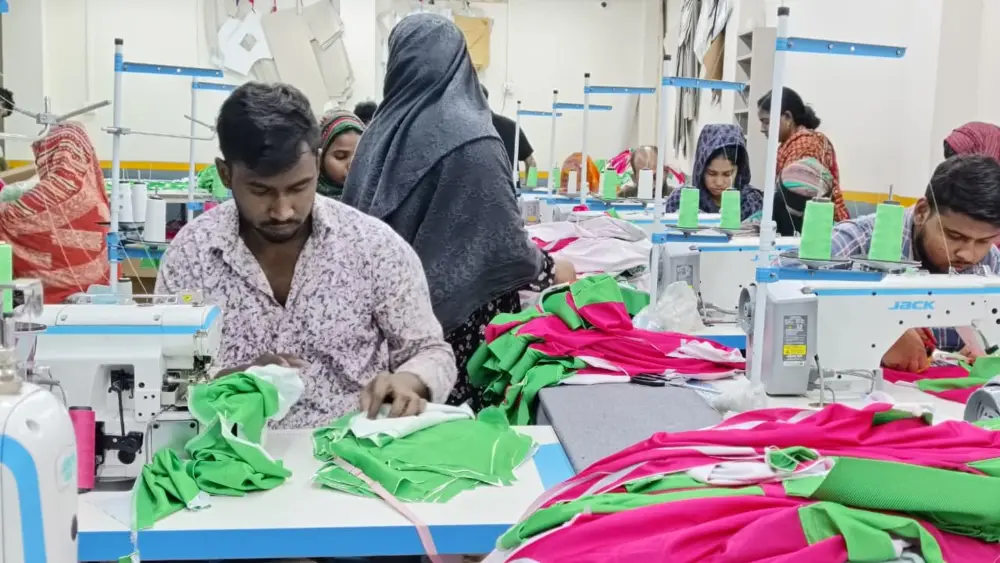
We are a garment manufacturer and sourcing company in Uttarkhan, Dhaka. This guide is how we would explain the process to a friend starting a brand: what to prepare, who to talk to, what to check and where orders usually go wrong.
Why brands source clothing from Bangladesh
- Price on cotton and knit. Bangladesh has a large spinning, knitting and dyeing base, so tees, polos, hoodies and shirts are competitive.
- Duty-free access to the UK. Under the UK’s Developing Countries Trading Scheme, Bangladesh clothing currently enters the UK at 0% duty when rules of origin are met.
- EU access through 2029. Bangladesh graduates from Least Developed Country status on 24 November 2026, and the EU keeps its current duty-free treatment for a three-year transition, until November 2029.
- Range. From 50-piece sample runs at small units to million-piece programmes at large export factories.
Step 1: Get your product details on paper
Every quote is only as good as the information behind it. Before you contact anyone, prepare:
- A tech pack or, at minimum, a sketch with measurements. If you have no tech pack, send a reference garment you like.
- Fabric: composition and weight (GSM for knits, fabric type and count for wovens).
- Quantity per style and per colour. Factories price by colour, not just by style.
- Decoration: print, embroidery or wash, with artwork files.
- Labels and packing: neck label, care label, hangtag, polybag, carton marks.
- Target price and delivery date, plus the country you are shipping to.
A supplier who gets all of this can give you a real price in a day. A supplier who gets “how much for a hoodie?” can only guess.
Step 2: Decide who you will work with
There are three common routes. None is right for everyone.
| Route | Best for | Watch out for |
|---|---|---|
| Direct to a large factory | Big, repeat programmes on one product | High MOQ, slower replies for small buyers |
| Buying house or sourcing agent | Mixed product ranges, buyers new to Bangladesh | Hidden factory names, unclear commission |
| Manufacturer with partner factories | Small and growing brands that want one contact | Ask which unit makes each order |
Whatever route you choose, ask one simple question: which factory will actually sew my order? A good partner will tell you.
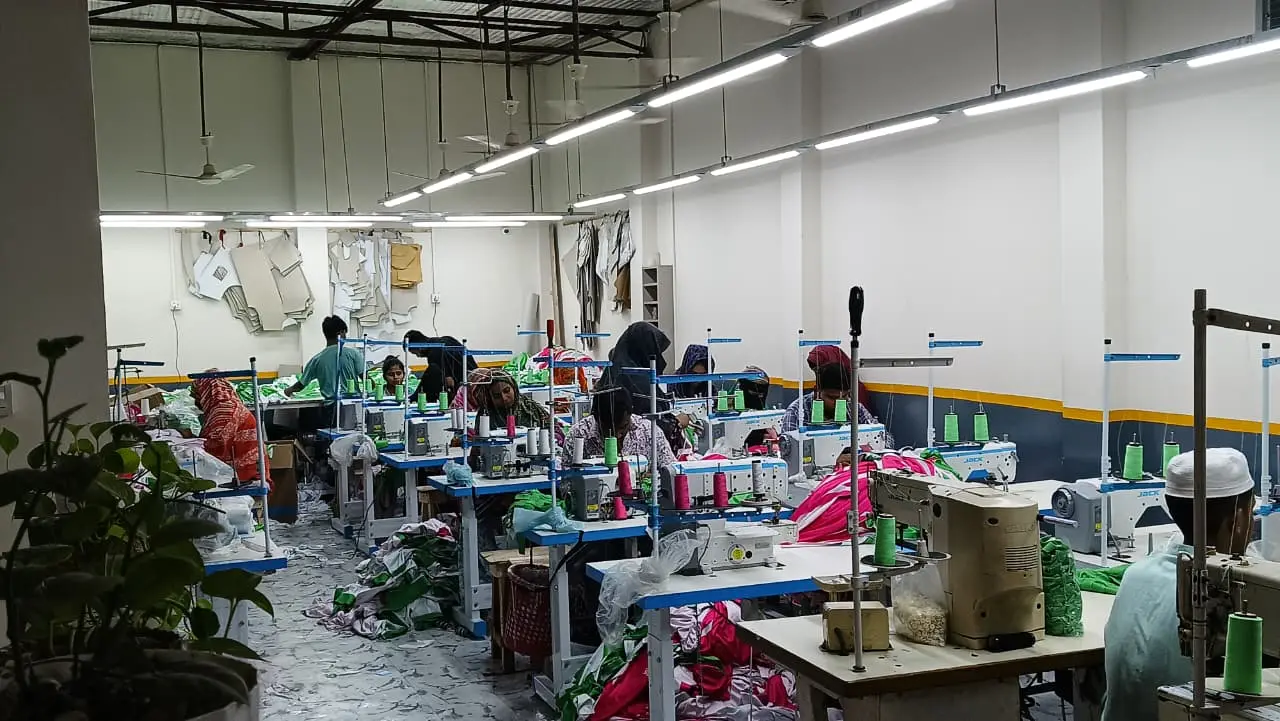
Step 3: Shortlist and check suppliers
Online directories, trade shows, LinkedIn and referrals all work. Then check each name before you send money:
- Company papers: trade licence and export registration. Members of BGMEA (woven) or BKMEA (knit) are listed on those associations’ websites.
- Real photos and a video call: ask for a live walk through the sampling room or sewing floor.
- Audit reports: if your brand needs BSCI, WRAP, Sedex or similar, ask which units hold them.
- References: a buyer they currently ship to who will take your call.
- Response quality: do they ask smart questions about your spec, or just say yes to everything?
Step 4: Ask for quotes on the same basis
Most export quotes from Bangladesh are FOB (the price includes fabric, trims, making and delivery to the port). Local buying houses often work on CM or CMT, where the buyer supplies the fabric. Make sure every supplier quotes the same way, or you will compare apples with oranges.
Ask for a line-by-line costing: fabric, CM, trims, print or wash, packing, testing and commission. If a quote is far below the others, one of those lines is missing.
Step 5: Approve samples before bulk
Samples are where you catch problems cheaply. A typical sequence is:
- Proto sample to check the look and construction.
- Fit sample in your base size, with measurement comments.
- Size set across your size range.
- Pre-production (PP) sample in the actual bulk fabric and trims. This is the sample QC checks against.
Expect to pay for samples and courier. Many suppliers adjust the sample cost against your first bulk order.
Step 6: Plan your MOQ
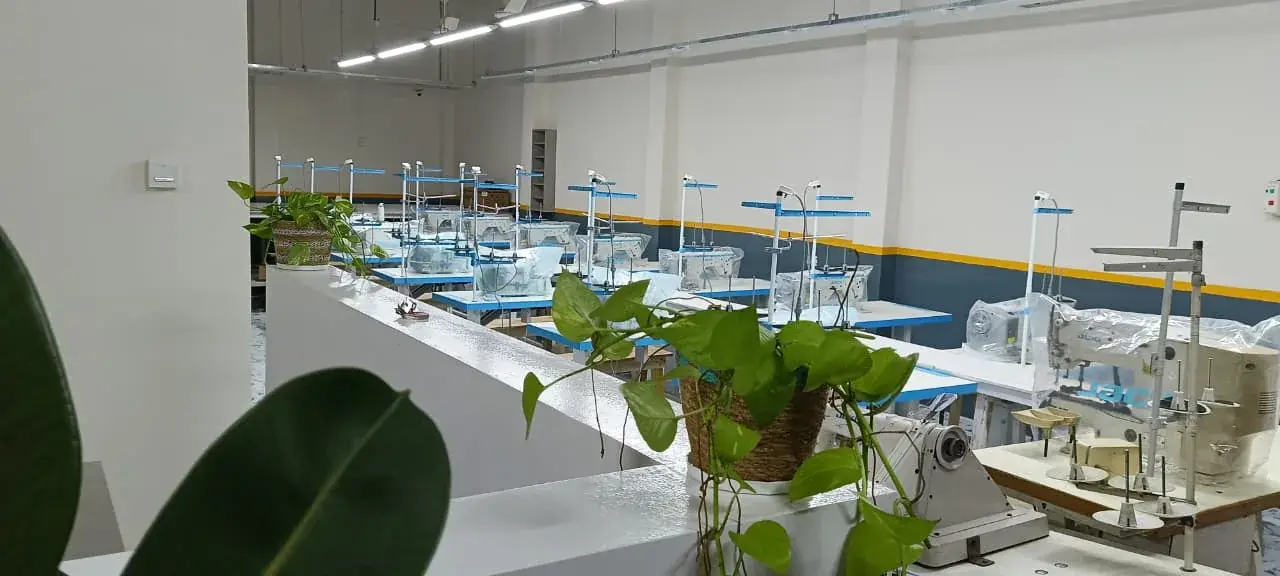
Large export factories often ask for several thousand pieces per style. Smaller units and manufacturers with their own floor can go much lower. The things that really set your minimum are the fabric (stock or dyed to order), the number of colours, the print method and any custom trims. Fewer colours on a stock fabric is the fastest route to a small first order.
Step 7: Confirm the order and payment terms
Put everything in a purchase order: style, colours, size ratio, price, delivery date, packing, inspection level and payment terms. Common terms are a deposit by bank transfer before fabric booking and the balance after final inspection. Larger orders often use a letter of credit (LC). Never pay 100% upfront to a supplier you have not checked.
Step 8: Control quality during production
Quality is checked in stages, not just at the end:
- Fabric inspection for shade, GSM and defects before cutting.
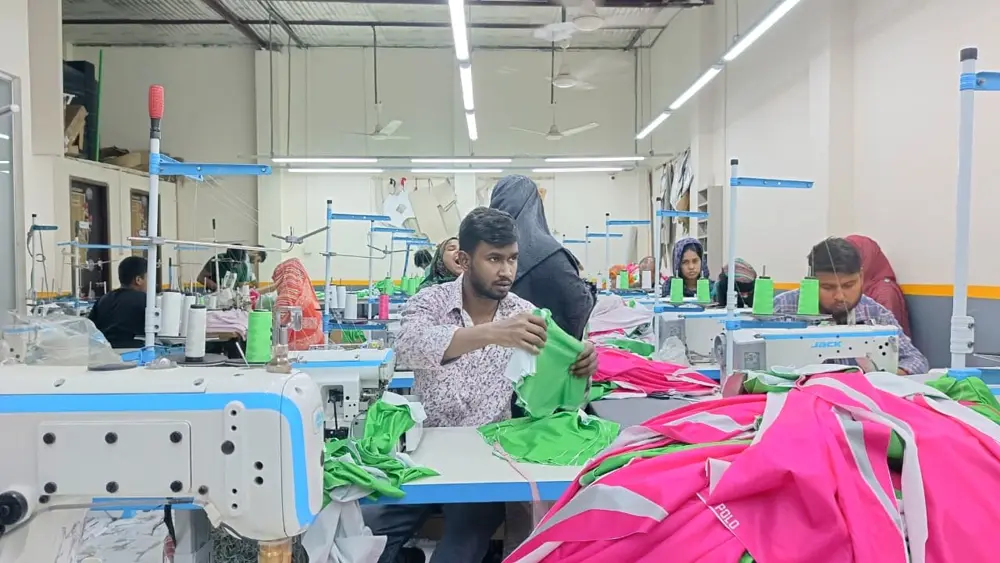
- Cutting and inline checks on the sewing line.
- A final random inspection to an AQL level (2.5 for major defects is common), ideally by a third party or your own inspector.
Ask for photo reports at each stage, and only release the balance after the final inspection passes.
Step 9: Ship it
On FOB terms, the supplier delivers to the port of loading (Chattogram for sea, Dhaka for air) and your freight forwarder takes it from there. Sea freight to Europe takes several weeks, so build that into your launch date. Air is faster for samples and urgent top-ups but costs far more per kilo.
Common mistakes we see
- Choosing on unit price alone, without comparing what each quote includes.
- Too many colours and styles in a first order, which pushes up MOQ and cost.
- Approving a proto but skipping the PP sample in bulk fabric.
- No written measurement tolerances, so there is nothing to inspect against.
- Paying the full balance before the final inspection.
Quick checklist
| Stage | You should have |
|---|---|
| Before contact | Tech pack, fabric, quantity per colour, target price, delivery date |
| Supplier check | Licence, video walk-through, audits if needed, a reference |
| Quote | Same basis (FOB/CM/CMT), line-by-line costing |
| Samples | Approved fit and PP sample |
| Order | Purchase order with tolerances, inspection level and payment terms |
| Before balance | Passed final inspection report with photos |
FAQ
Is Bangladesh good for small clothing brands?
Yes, if you pick the right partner. Large factories want big volumes, but smaller units and manufacturers with their own sewing floor take smaller runs, especially on stock fabric.
How long does it take to get clothing made in Bangladesh?
Samples can take a few days to a couple of weeks depending on the product. Bulk timing depends on fabric, quantity and finishing, plus shipping time to your country. Ask for a written timeline with your quote.
Do I need a sourcing agent?
Not always. If you have one product and big volumes, going direct can work. If you have a mixed range or you are new to Bangladesh, one partner who manages several factories saves a lot of time.
Can I visit factories in Bangladesh?
Yes, and it is worth doing once you have a shortlist. Most factories around Dhaka and Gazipur are a short drive from the airport.
Want a second opinion on your tech pack or a quote? Send it to us and we will reply within 6 hours with a line-by-line costing. See what we make, how we work or get a quote.